



Indulge in Quality Products Because. You're Worth It!


Lightkeeper Blog
Find Gentle, Nurse-Informed Insights on Boundaries, Burnout, and Beginning Again.

Soft Openings
Not every new chapter arrives with a dramatic announcement. Sometimes it begins quietly, with a single thought that will not leave you alone, or a feeling that something in you is ready for more breathing room. These are soft openings, and they are often the beginning of profound change. In the aftermath of burnout, I could not imagine giant leaps. My nervous system did not need grand reinventions. It needed tiny experiments in a kinder direction. A walk before work instead of extra screen time. One project I could pour my creativity into. A single evening a week with no plans, just space. Soft openings might look like: Signing up for a class that has always interested you Taking the first step toward a difficult conversation Allowing yourself to explore a new creative practice without pressure to be “good” at it Making a small schedule change that honors your energy This week, sit with this question: Where in my life do I feel a quiet desire for something new or different? Then ask, what is one small, low-pressure step I can take toward that desire? No big announcements, no all-or-nothing thinking. Just one soft opening that lets a little more light and possibility into your life.
Learn more
Receiving Light as Well as Giving It
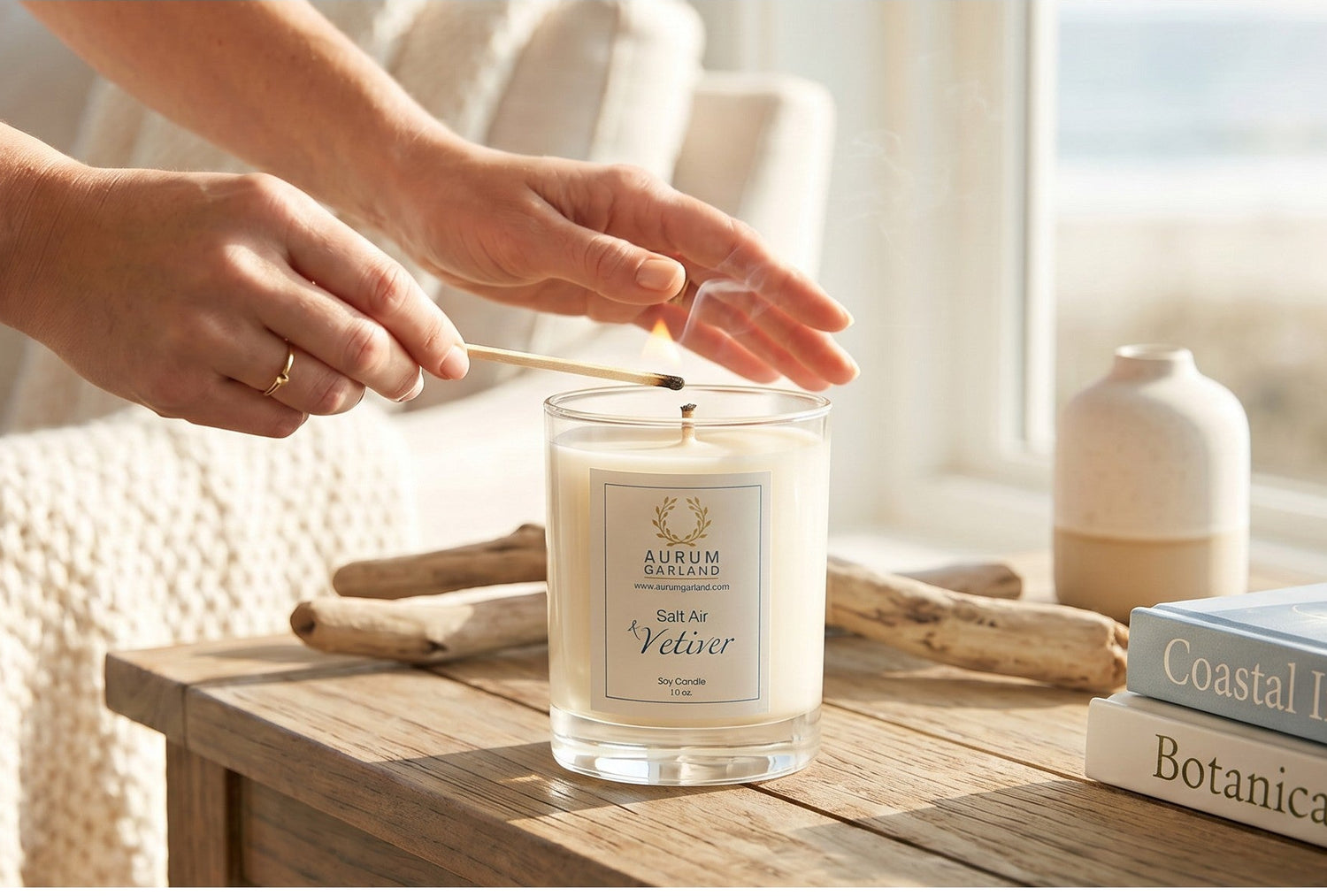
Some of us are very practiced at giving. We give our time, our attention, our energy, our care. We know how to be the steady one, the strong one, the one people lean on. Receiving, however, can feel unfamiliar or even uncomfortable. Over the years, I have realized that I was much more at ease pouring into others than allowing anyone to pour into me. Compliments felt awkward. Offers of help were deflected. Even simple kindness sometimes bounced off the armor I did not know I was wearing. But light is meant to move both ways. The candles I pour for Aurum Garland remind me of this. A flame offers light, but it also warms the space it is in. When I sit beside a lit candle at the end of the day, I let myself feel held by that warmth. I practice receiving the comfort of a quiet room, the softness of the glow, the kindness of my own decision to rest. Receiving can look like: Saying “Thank you” to a compliment and letting it land without arguing with it in your mind Accepting help when it is offered, even if you could manage on your own Letting yourself enjoy beauty without rushing past it Allowing yourself to rest when your body asks, not just when you are forced to stop This week, notice where you instinctively push away light that is being offered to you. Then, in one small instance, practice saying yes instead. Ask yourself: What would it feel like to let this kindness in, just a little more? You are not a burden for needing or receiving. You are part of a human exchange where everyone deserves, at times, to be the one who is held.
Learn more
The Practice of Returning
Wellness is often portrayed as a straight line. You start new habits, you maintain them perfectly, and you become a new person. Reality is much messier than that. In real life, we drift. We lose track of routines, forget our boundaries, and slip back into old patterns. I know I do. The most important skill is not never drifting. It is the ability to return. Returning might mean coming back to your breath after noticing your mind spinning. It might mean re-establishing a bedtime after a few late nights. It might mean returning to a meditation cushion, a journal, or a morning walk that you abandoned for a while. When I moved out of bedside nursing after burnout, I imagined that I would enter a new chapter and never struggle with overwork again. The truth is, I still drift sometimes. The difference now is that I notice sooner and I come back more gently. This week, think about one practice, boundary, or ritual that used to support you and has fallen away. Instead of judging yourself for “failing,” simply ask: Is it time to return to this in a small, honest way? Your return does not need to look like it did before. You can come back with more compassion, more flexibility, and more awareness. Every return is an act of hope. It is your way of saying, “I am still worthy of care, even after I lost my way for a bit.”
Learn moreLet customers speak for us

Love this scent

My favorite scent, keeps skin hydrated

Beautifully hand crafted, excellent scent

Amazing quality!

Love this product! Great scent, immediately hydrates and softens skins. I can keep it in my work bag w/o worrying of any spills bc its a bar.

Well made, excellent quality and scent, fast delivery

Well made, excellent quality and scent
Easy ordering and I got my items well packed and very quickly.

clean and elegant

Hydrating on the first use. I will purchase more. It is my go-to lotion now.
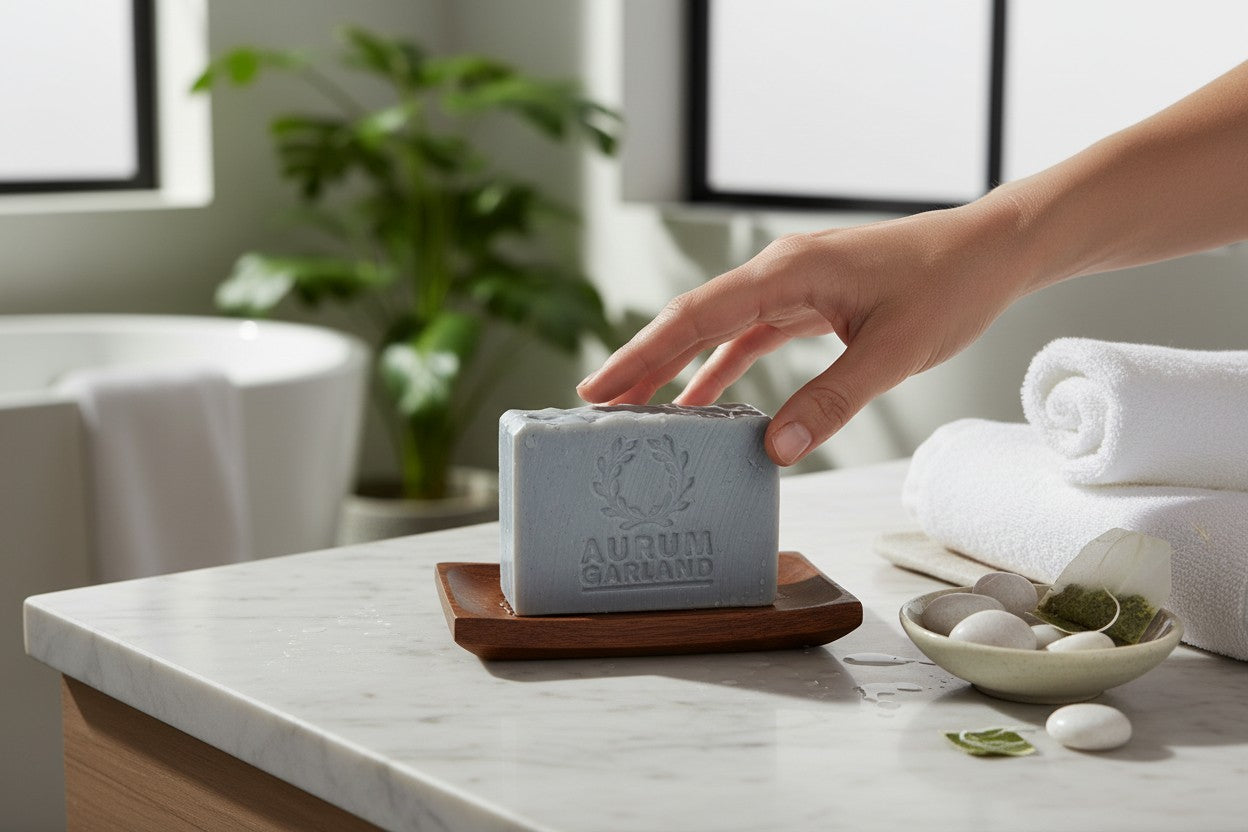
Awesome products and the fast delivery. Products speak for themselves. I highly recommend. Just order and you will see. I did not know soaps could smell better then most colognes.
What a great fragrance and it drifts throughout the house. Strong enough to be aware of it and just enough strength to not be "too much". It is perfect and a great scent. I want to get this scent in the summer months.

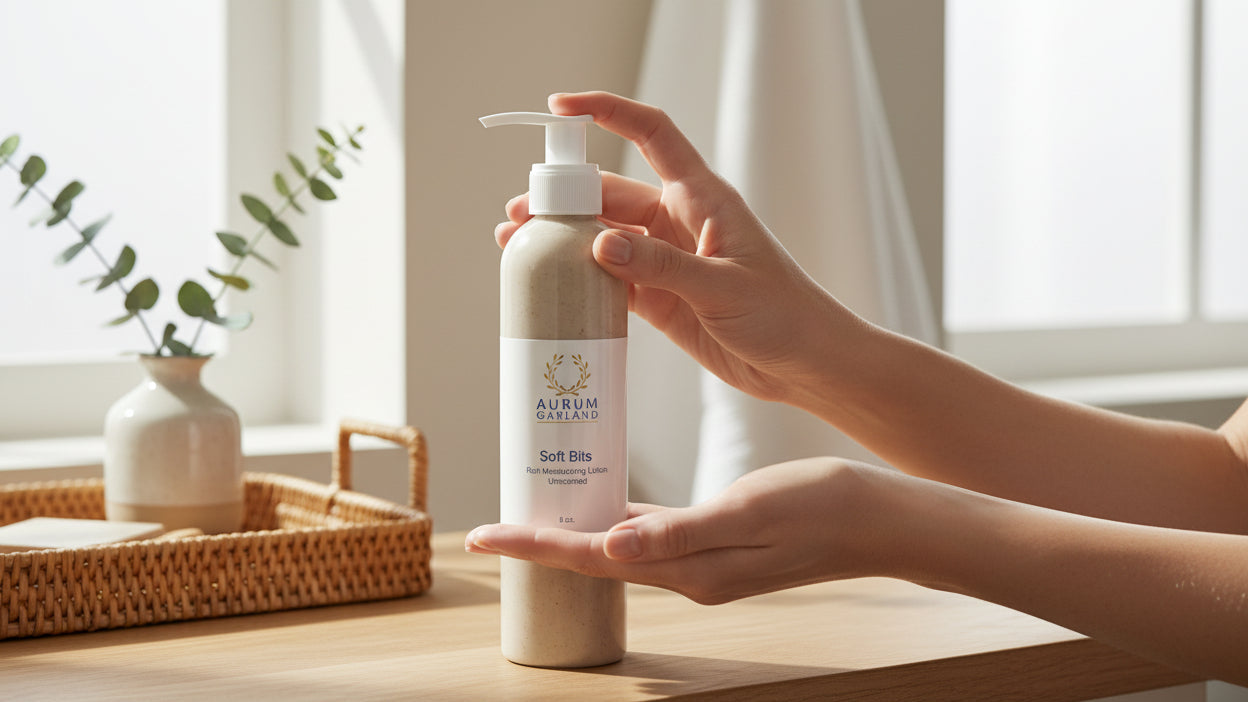
Softer bits is a dense fluffy cream that works wonders on extremely dry skin. The lavender scent is perfect with just right touch of lavender and it also comes in unscented.

The touchstone lotion bar is amazing to use on dry heels and elbows. I like to pack one when I am traveling to use instead of lotion because it is so compact and lasts for days.
It makes my skin feel so soft and I love the Lavender scent so relaxing
